
High Blood Pressure: What to Do When Your Readings Are Elevated
Hypertension is one of the most common chronic conditions. It is important to know what to do when your blood pressure is high, when it rises to 150 over 100 or above, how to lower blood pressure at home quickly, and when first aid for high blood pressure is needed.
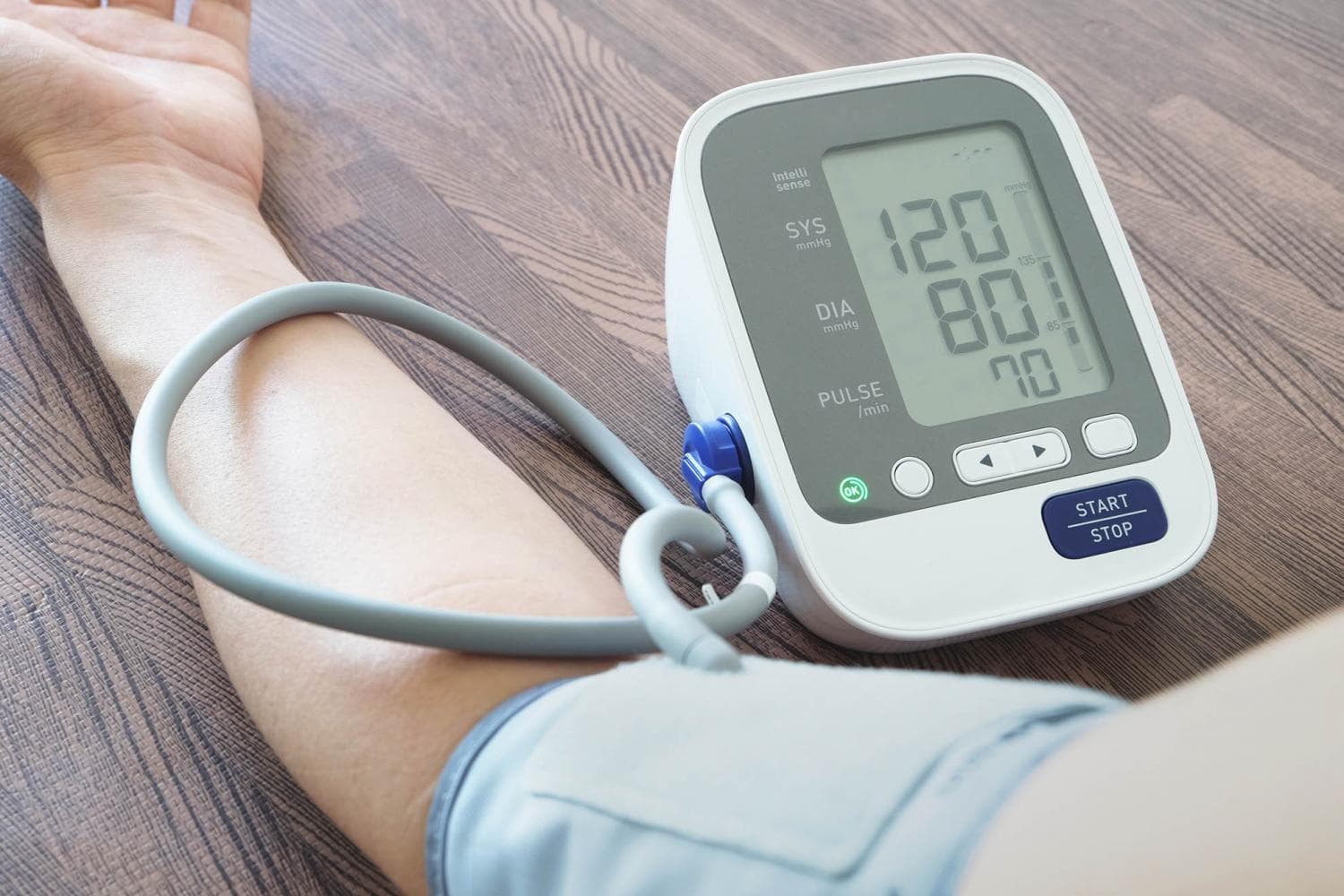
What counts as high blood pressure
Hypertension is diagnosed when readings are consistently above 140/90 mmHg. A single episode is judged by the numbers and how you feel: for example, a pressure of 150 over 100 is already a reason to be alert and follow the plan agreed with your doctor.
Typical signs of a rise:
- Headache, more often in the occipital area
- Dizziness and weakness
- Ringing in the ears, darkening before the eyes
- Facial flushing, faster pulse
What to do when your blood pressure is high
If the tonometer shows high numbers:
- Sit or lie down and try to calm down — worrying itself raises blood pressure
- Rest for 5–10 minutes and measure again
- Take the drug your doctor prescribed for exactly this situation — do not increase the dose on your own
- Open a window, loosen tight clothing, let fresh air in
- Do slow breathing exercises
How to lower blood pressure at home quickly
Quickly bringing pressure down with a pill is not always the right solution, and any medication is taken only on a doctor's prescription. Home methods work for prevention and gentle correction.
DASH diet
An eating plan proven to lower blood pressure: less salt, more vegetables, fruit and whole grains, low-fat dairy, fish and nuts instead of red meat.
Regular exercise
The WHO recommends at least 150 minutes of moderate activity a week: brisk walking, swimming, cycling.
Stress control
Chronic stress is one of the main triggers of hypertension. Meditation, yoga and a regular sleep routine help.
When to call an ambulance
Call an ambulance immediately if, against the background of high blood pressure, you experience:
- Pressure above 180/110 mmHg that does not come down
- Severe chest pain, including pain radiating into the left arm
- Difficulty breathing
- Slurred speech, facial asymmetry, weakness in an arm or leg
These symptoms may point to a hypertensive crisis or a stroke — emergency medical help is needed.
How to monitor your blood pressure
Keep a blood pressure diary: regular records help your doctor choose treatment and notice dangerous trends in time. The Zdravel app automatically assesses your readings, builds trend graphs and lets you show your doctor the history of measurements for any period.
Conclusion
High blood pressure is a manageable condition. Follow your doctor's recommendations, watch your readings, and do not delay calling an ambulance about worrying symptoms.