
First Signs of Hypertension: Symptoms of High Blood Pressure and How to Control Them
Hypertension often develops unnoticed, so it is important to know the first signs of hypertension in order to react to changes in your body in time. Recognising the main symptoms of high blood pressure helps prevent serious complications and start managing the condition. The Zdravel app helps you keep track of your readings and organise your medication intake without extra hassle.
What is hypertension in simple words
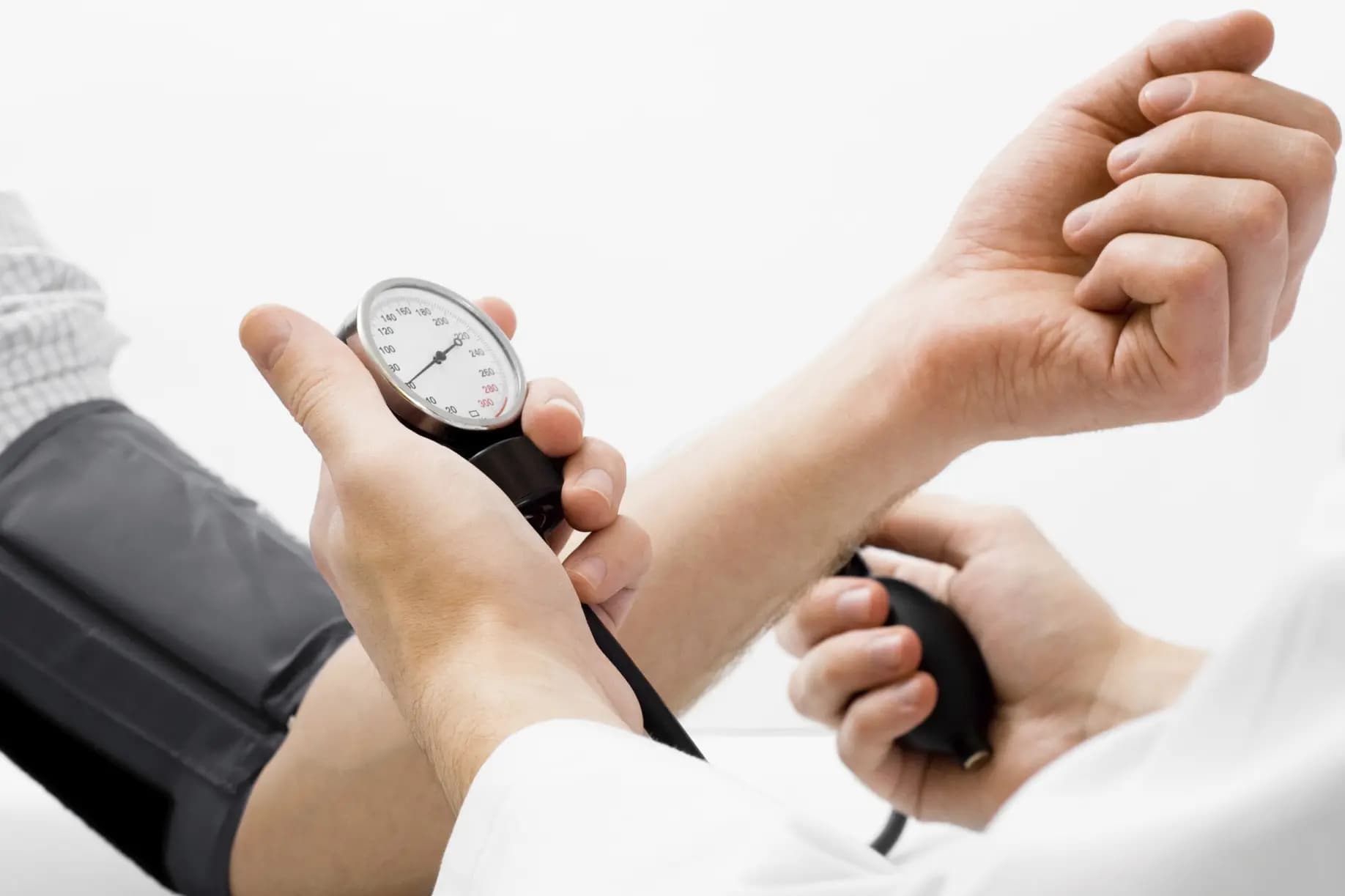
Hypertension (arterial hypertension) is a chronic condition in which blood pressure is consistently above 140/90 mmHg. This puts constant pressure on the walls of the vessels and the heart muscle. Over time, the vessels lose elasticity and the heart has to work harder, which creates a vicious cycle of increased resistance to blood flow.
Main symptoms of the disease
Hypertension is often detected by the following signs:
- Headache — throbbing, usually in the occipital or temporal area.
- Rapid heartbeat and shortness of breath — occur even with light physical activity, for example when climbing stairs.
- Irregular pulse — arrhythmia, atrial fibrillation, irregular heartbeats require the attention of a specialist.
- Swelling of the ankles and shins — caused by fluid retention when the heart muscle is weakened.
- Hot flushes — facial redness may be related to physical effort, but this symptom is not a definitive indicator.
Hidden forms and features in women
The hidden, asymptomatic hypertension is especially dangerous. In this form, target organs (kidneys, heart, vessels) can be damaged without clear patient complaints. It is important to monitor your readings regularly even if you feel well.
In women, hypertension symptoms can be specific: migraine-like headaches, sensitivity to weather changes, morning swelling. These signs are often attributed to fatigue or hormonal fluctuations, which delays the start of therapy.
When urgent help is needed
Risk factors for hypertension include age over 40, excess weight (BMI over 30), smoking, heredity, diabetes and kidney disease. If your readings exceed 180/120, this indicates a hypertensive crisis.
Signs of a crisis include a severe headache, nausea, blurred vision and chest pain. In such cases urgent care is needed: call an ambulance, rest and monitor your condition until the doctor arrives. Ignoring these signs can lead to a stroke or heart attack.
How the Zdravel app helps with control
For effective health management it is important to keep regular records. The Zdravel app offers convenient features:
- Blood pressure and pulse diary: record systolic and diastolic pressure, heart rate (pulse) and notes.
- Medication reminders: get push notifications at the set time. The notification shows a photo of the drug so you can tell it apart from others. The "Snooze reminder" button is available for 30 or 60 minutes.
- Analog search: the built-in reference lets you find drug analogs by active ingredient (INN).
- AI assistant: describe your medication regimen as text and the assistant creates reminders.
- Data safety: the app works fully offline and data is stored on the user's device. Cloud backup is available every 7 days.
- CSV export: export your blood pressure diary and medication list for analysis.
Early detection of hypertension saves lives: patients in the early stage successfully manage their condition with medication and lifestyle changes. Start keeping a daily journal today — install the Zdravel app to control your health and get reminders about taking your medication on schedule.