
Low Blood Pressure: Symptoms and What to Do About Hypotension
Low blood pressure (hypotension) is a condition in which readings stay consistently below 100/60 mmHg. In this article we look at what causes low blood pressure, how to recognise its symptoms, and how to raise blood pressure at home using safe methods.
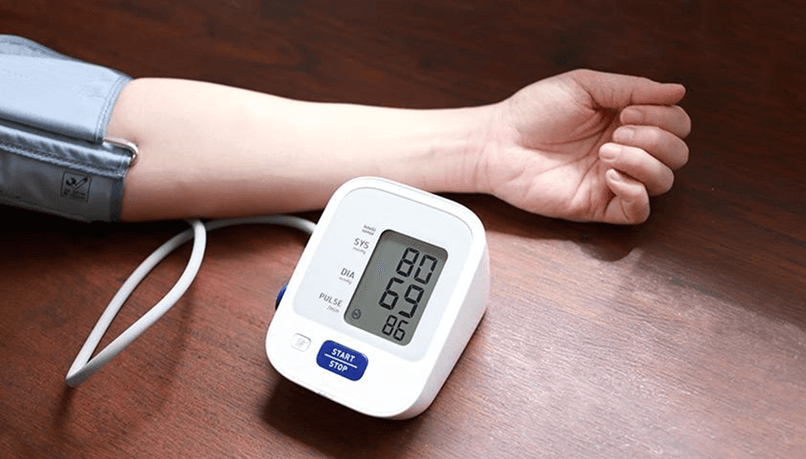
What low blood pressure is and why it happens
Hypotension is a persistent drop in systolic pressure below 100 and diastolic below 60 mmHg. At such values, organs receive less oxygen and nutrients, which causes the characteristic symptoms.
Causes of low blood pressure:
- Primary (physiological) hypotension — occurs in young people with reduced vascular tone
- Secondary — as a consequence of anaemia, thyroid disorders and other diseases
- Orthostatic — pressure drops sharply when standing up from a sitting or lying position
Symptoms of low blood pressure
The signs of hypotension are often confused with ordinary fatigue:
- Chronic weakness and drowsiness, especially in the morning
- Headaches in the temporal and frontal area
- Cold hands and feet even in a warm room
- Dizziness when standing up suddenly
- Reduced concentration
If such symptoms of low blood pressure repeat regularly, see a therapist to rule out secondary causes of hypotension.
Why low blood pressure is dangerous
The main danger of hypotension is fainting and injuries from falls, as well as poorer blood supply to organs over a long period. If you have severe and frequent bouts of weakness, do not put off a visit to the doctor: only a specialist can determine whether low blood pressure is an independent condition or a symptom of another disease.
How to raise blood pressure at home
Drinking routine
Try to drink enough fluid during the day — dehydration noticeably lowers blood pressure. If you have heart or kidney problems, agree the amount of fluid with your doctor.
Eating smaller meals more often
Eat 4–5 times a day in small portions: long gaps between meals trigger a drop in pressure. Unless contraindicated (first of all heart failure), you can add a little salty food to your diet — salt retains fluid and helps maintain vascular tone.
Contrast shower
A morning contrast shower with a gradual alternation of warm and cool water trains the vessels and helps keep tone.
Getting up correctly
Do not jump out of bed abruptly: first sit up, stay for a couple of minutes and only then stand. This reduces the risk of orthostatic collapse.
How to monitor hypotension
If you are dealing with low blood pressure, keep a diary of your readings. The Zdravel app helps you record blood pressure and pulse, automatically assesses the values and shows the dynamics on graphs — so it is easier to notice patterns and show them to your doctor. It will also remind you to take your medication if your doctor prescribes supportive therapy.
Conclusion
Hypotension requires attention to your daily routine, diet and well-being. Keep a blood pressure diary, follow simple rules and see a doctor about any worrying symptoms.